

About Us
Restoring Hope Africa (RHA) was born out of a deep conviction: that the true transformation of Africa begins not with aid, but with renewed minds, restored dignity, and rediscovered purpose.
About Restoring Hope Africa
In many parts of Africa, poverty has created cycles of dependency, despair, and generational hopelessness. RHA exists to break those cycles through Kingdom-centred transformation that addresses both the spiritual and practical needs of individuals and communities.
Founded by Amanda le Roux and a team of Kingdom-minded leaders who have witnessed both the pain of generational poverty and the power of faith in action, RHA seeks to bring Heaven’s hope into the heart of African communities. We believe that every person—regardless of background or circumstance—carries God-given potential waiting to be unlocked through love, truth, and empowerment.
Our approach begins with renewing the mind—teaching biblical values, identity, and purpose—then extends to practical life skills that empower people to provide for their families, steward resources wisely, and cultivate sustainable livelihoods.
Through community transformation projects, mindset renewal programs, and skill development initiatives, individuals and families are equipped to rise above dependency and step into purpose-driven, self-sustaining living.
Changing Lives
We believe true transformation happens when people discover their God-given potential and are empowered to live with dignity, vision, and hope. From small villages to entire regions, we are witnessing communities become places of restoration, productivity, and joy—physically, economically, and spiritually—one life, one seed, and one generation at a time.
Building Futures
At Restoring Hope Africa, we don’t just build projects—we build people. And when people are restored, entire communities are transformed.
Core Focus Areas - Seven Pillars of Transformation
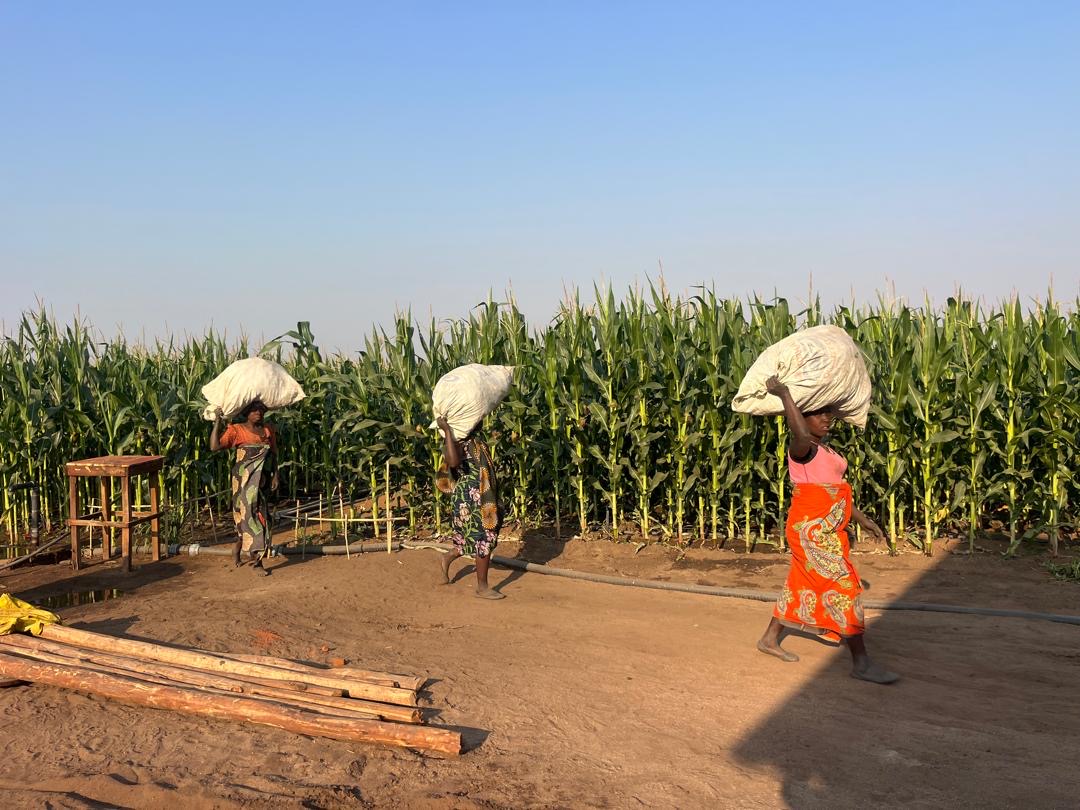
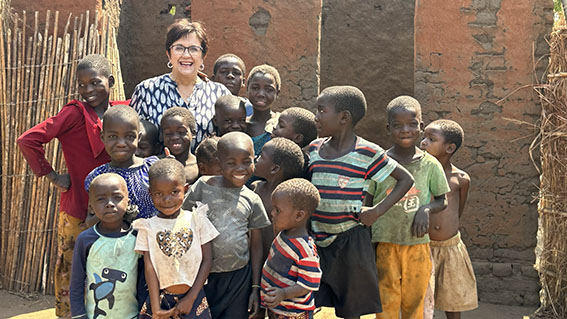
Restoring Hope Africa aims to eradicate extreme malnutrition and illiteracy in the rural villages of Central Malawi.
We saw the effects of extreme poverty, which led to generational hopelessness in these villages. The cause of the hopelessness and the vicious cycle is a lack of the pure Gospel, discipleship programs, and lack of resources in six more critical need areas of human development.
01. Evangelism
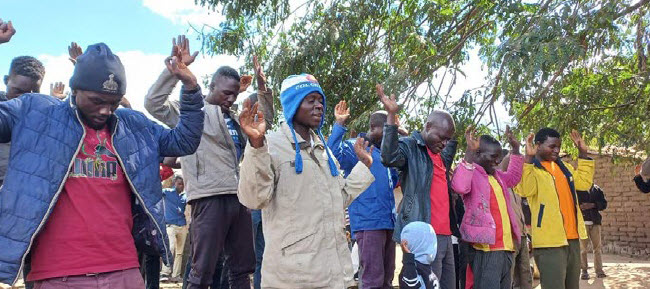
Sharing the Gospel of Jesus Christ as the foundation of true and lasting transformation, leading people to discover their identity and purpose in Him.
Short Term
- Jesus film outreaches at Restoring Hope Africa and villages.
- Village crusades and evangelistic outreaches.
Medium Term
- Training facilitators to establish Jesus Film Project discipleship groups in every home.
- Youth and adults leadership training.
Long Term
- Plant a Bible in every home.
- Every home for Christ.
- Church plants.
- Bible school to equip the Body of Christ.
Skills Development
- Jesus Film Project discipleship groups at Restoring Hope, in every home and in every village.
Resources
- Secure sponsors to provide Jesus Film equipment for facilitators in every village.
- Secure sponsors to train facilitators in every village.
- Secure sponsors to build village churches.
02. Food Security
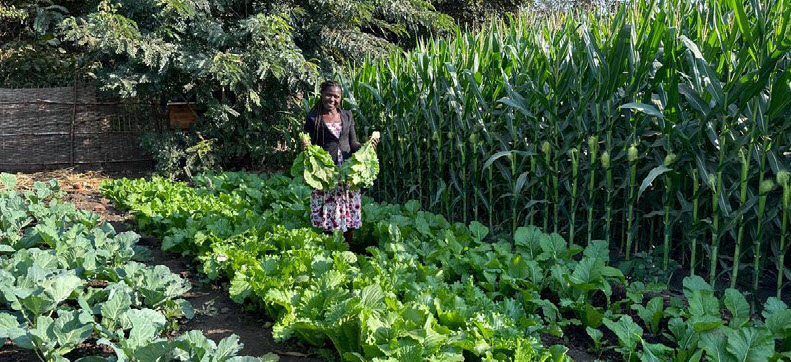
Promoting sustainable agriculture, nutrition education, and community-based garden and farming projects that ensure no family goes hungry.
Short Term
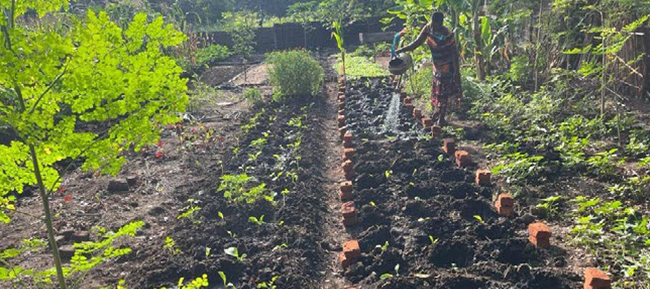
- Establish vegetable gardens to secure food.
- Establish a moringa plantation.
Medium Term
- Establish poultry farm, tilapia farm, and agroforest.
Long Term
- Develop the farm into a commercial entity for sustainable income and food security.
Skills Development
- Teach the women how to grow vegetables and tend the gardens.
- Teach them to harvest, dry and preserve seeds for the next season.
- Teach the women to preserve food.
- Teach them to make compost.
- Teach them to farm with earthworms to regenerate the soil.
- Teach them to naturally dry tomatoes.
Resources
- Secure sponsors for seeds.
- Secure partnerships with companies to sponsor necessary consumables, such as glass bottles.
- Drying rack for sundried tomatoes.
03. Water Security
Providing access to clean, safe water through boreholes and stewardship education for healthier communities.
Short Term
- Drill waterholes.
- Install hand and solar submersible water pumps.
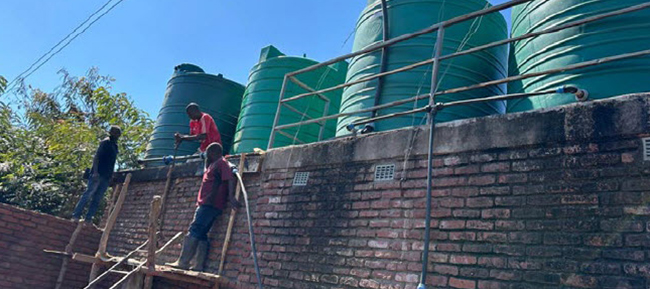
- Build a water tower with a storeroom.
- Install four 5000- litre water tanks with a pressure pump to supply water to the building and gardens.
- Install an irrigation system in the gardens.
Medium Term
- Drill a borehole and install a solar pump to serve the drip irrigation system.
Long Term
- Empower every home with a mini water tank and drip irrigation system to grow their own vegetables.
Resources
- Secure sponsors for drilling and solar equipment for boreholes.
- Secure sponsors for the water tower and water tanks.
- Secure sponsors for the garden project.
- Secure sponsors for the mini water tanks and drip irrigation systems for households.
04. Early Childhood Development (ECD) & Education
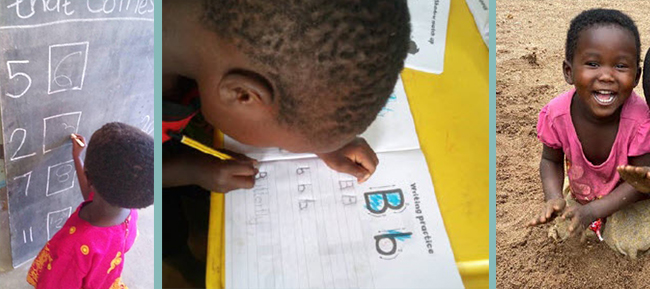
Building strong foundations for the next generation through Christ-centred education, literacy, and life skills.
Short Term
- Equip the classrooms.
- Establish Phonic, a state-ofthe- art preschool program.
- Train the trainer to apply the curriculum.
- Train the facilitators.
- Implement the program.
- Establish a safe playground.
- Elect a school board.
- Draft school policies and disciplinary codes.
- Draft the letters of admission and disclaimer.
- Equip the sickbay.
Medium Term
- Equip the playground.
- Extend the school programs.
- After-school English classes.
Long Term
- Special needs class.
- Basic adult education to eradicate illiteracy.
- Establish a Bible school.
Skills Development
- Continuous facilitator training.
- First aid training.
- Teach people to read and write.
- Empower the community to partner with us in the future of the next generation.
Resources
- Secure funds for salaries of personnel.
- Secure funds for consumables such as stationery.
- Secure funds for training.
- Secure funds to sponsor children.
05. Infrastructure
Developing essential community facilities—reading labs, schools, clinics, and resource centres—that foster growth, stability, and opportunity.
Short Term
- Build a relationship with the senior chief and the community leaders.
- Secure land and transfer documents.
- Draught the project layout and building plan.
- Vision casting with traditional leaders.
- Quotations for phase one.
- Construction of the preschool building.
- Construction of the water supply and storerooms.
- Plan and layout of the vegetable gardens.
Medium Term
- Revise the project layout and building plan.
- Quotations for phase two.
- Build the ablution facilities.
- Build phase two classrooms.
- Build a wall to secure the facility.
Long Term
- Strategic planning to extend the school to a primary school.
- Revise the project layout and plans for phase three.
- Quotations for phase three.
- Build phase three classrooms.
Skills Development
- With every phase, we employ some of the village people that receive onsite training and skills development.
Resources
- Secure funds for building projects.
- Secure funds for maintenance.
06. Health & Wellness
Advancing physical, emotional, and spiritual well-being through health education, medical outreach, and wholeness programs.
Short Term
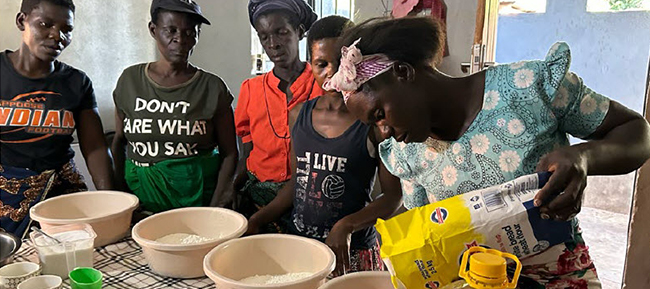
- Educate the women chiefs and village women on nutrition and how to grow superfoods like moringa.
- Train kitchen staff to prepare nutritious meals with what they have on the field.
- Educate the women on hygiene, Natural methods of contraception and more.
- Mentor the women on how to prosper mentally, emotionally and spiritually.
Medium Term
- Establish Empower the “Girl Child project”.
- Establish Empower the “Boy Child project”.
Skills Development
- How to transfer knowledge to the next generation.
- How to promote generational health, wellness.
Resources
- Secure funds for resources needed to empower women.
- Secure funds for consumables such as Consol™ bottles for food preservation.
- Secure funds for training.
- Secure funds for the girl and boy child project.
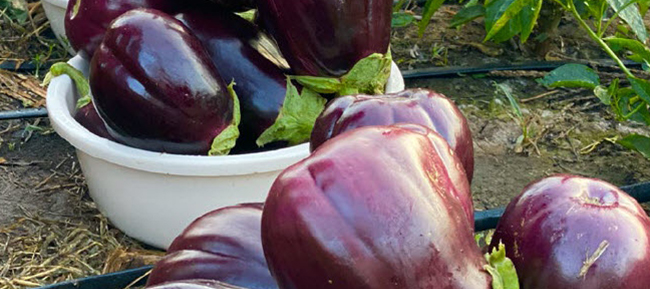
07. Economic Empowerment
Equipping individuals with entrepreneurial skills, vocational training, and financial wisdom to build sustainable livelihoods and steward resources wisely.
Short Term
- Develop the piggery and poultry farm into a profitable business that can bring a sustainable income for the project.
- Develop the vegetable gardens into a highly productive unit.
Long Term
- Small-scale drip irrigation initiative: Teach the villagers to grow vegetables with micro drip irrigation on small scale to provide vegetables for their own homes and to sell.
Skills Development
- Teach them to farm with different vegetables.
- Teach them to harvest their own seed for the next season.
- Teach them to farm with pigs and poultry.
- Teach them the basic principles of drip irrigation on a large and small scale.
- Teach them good business practices.
Resources
- Secure funds for resources needed.
- Secure funds for consumables such as seeds and fertiliser.
- Secure funds for training.
- Secure funds for drip irrigation and equipment.